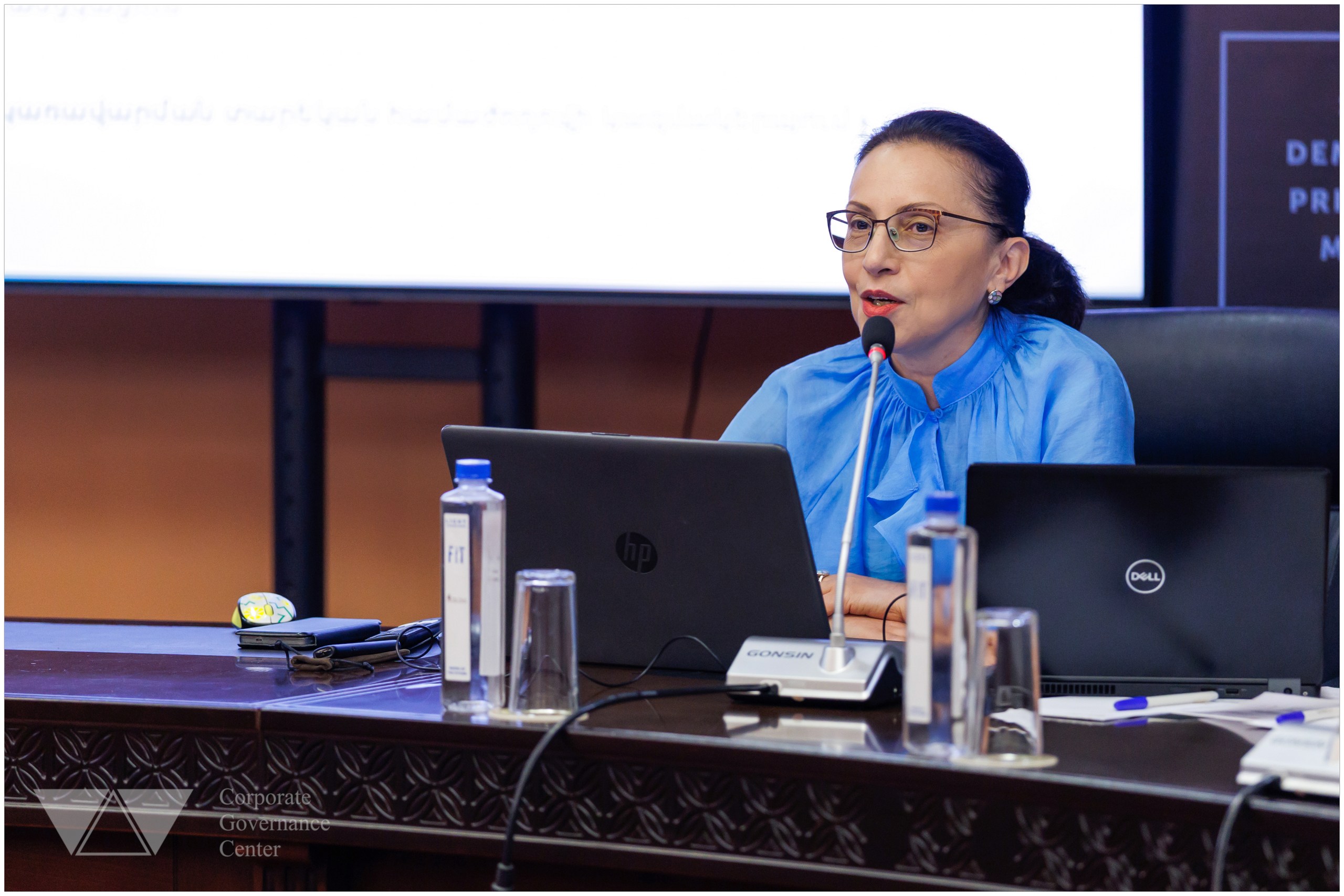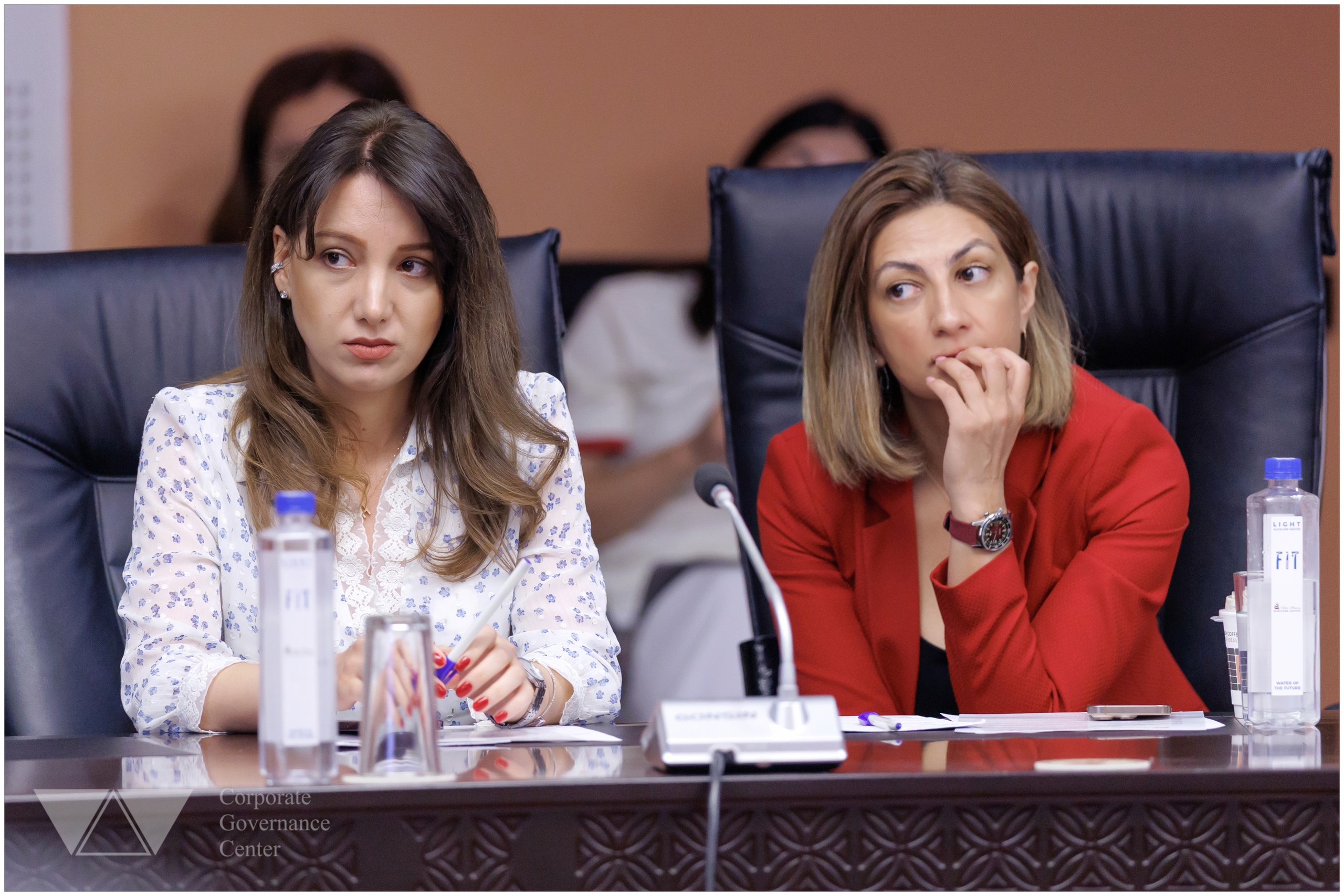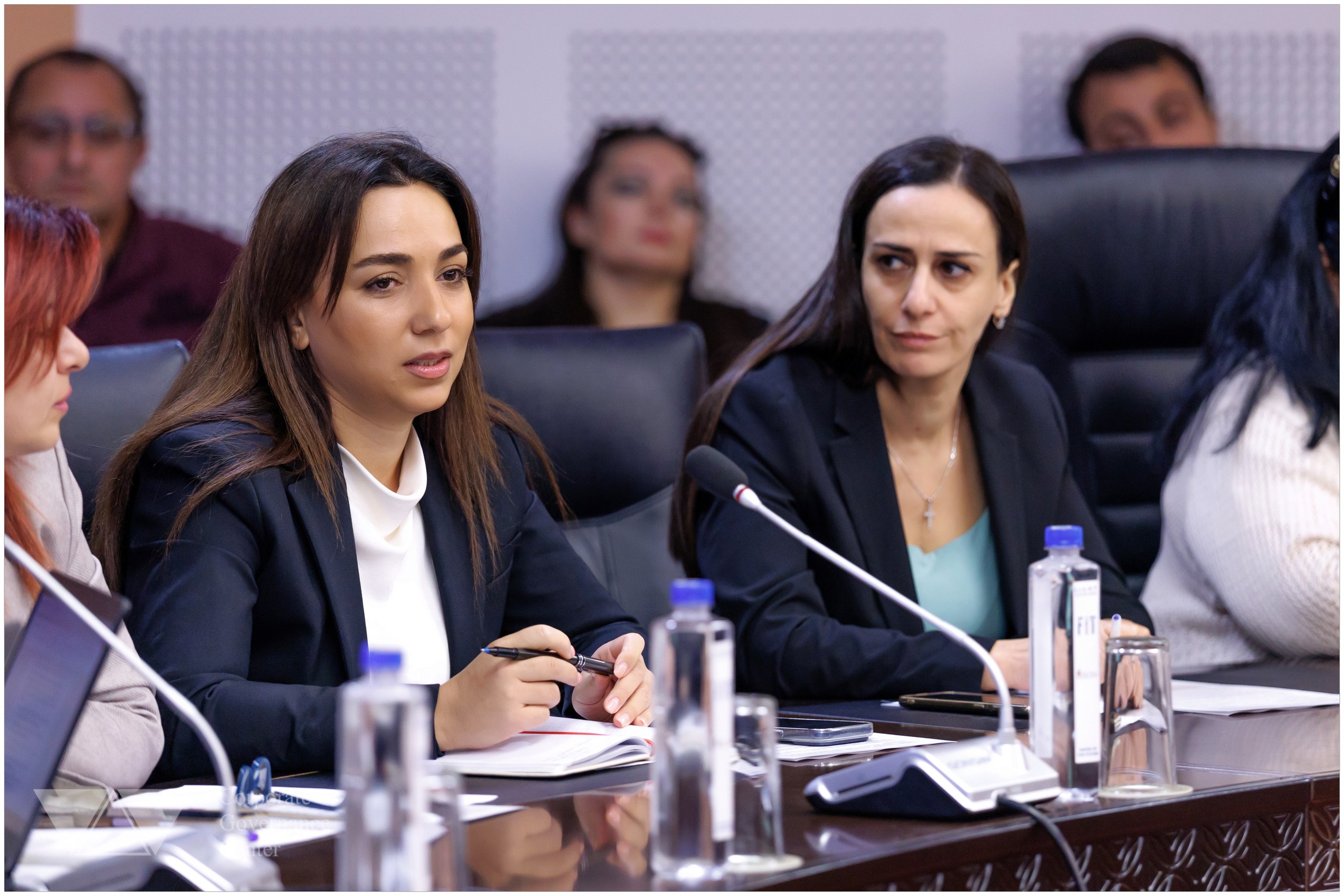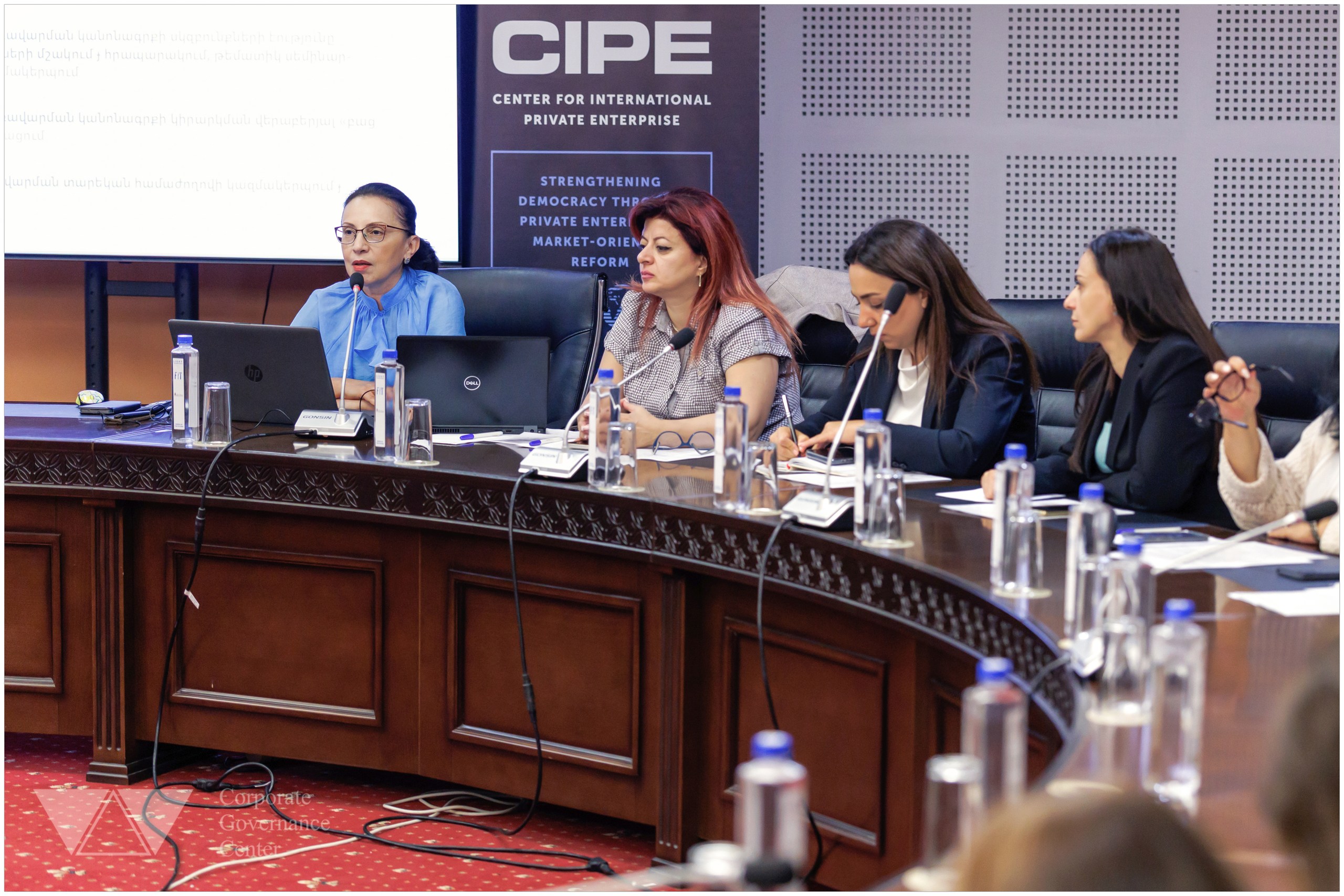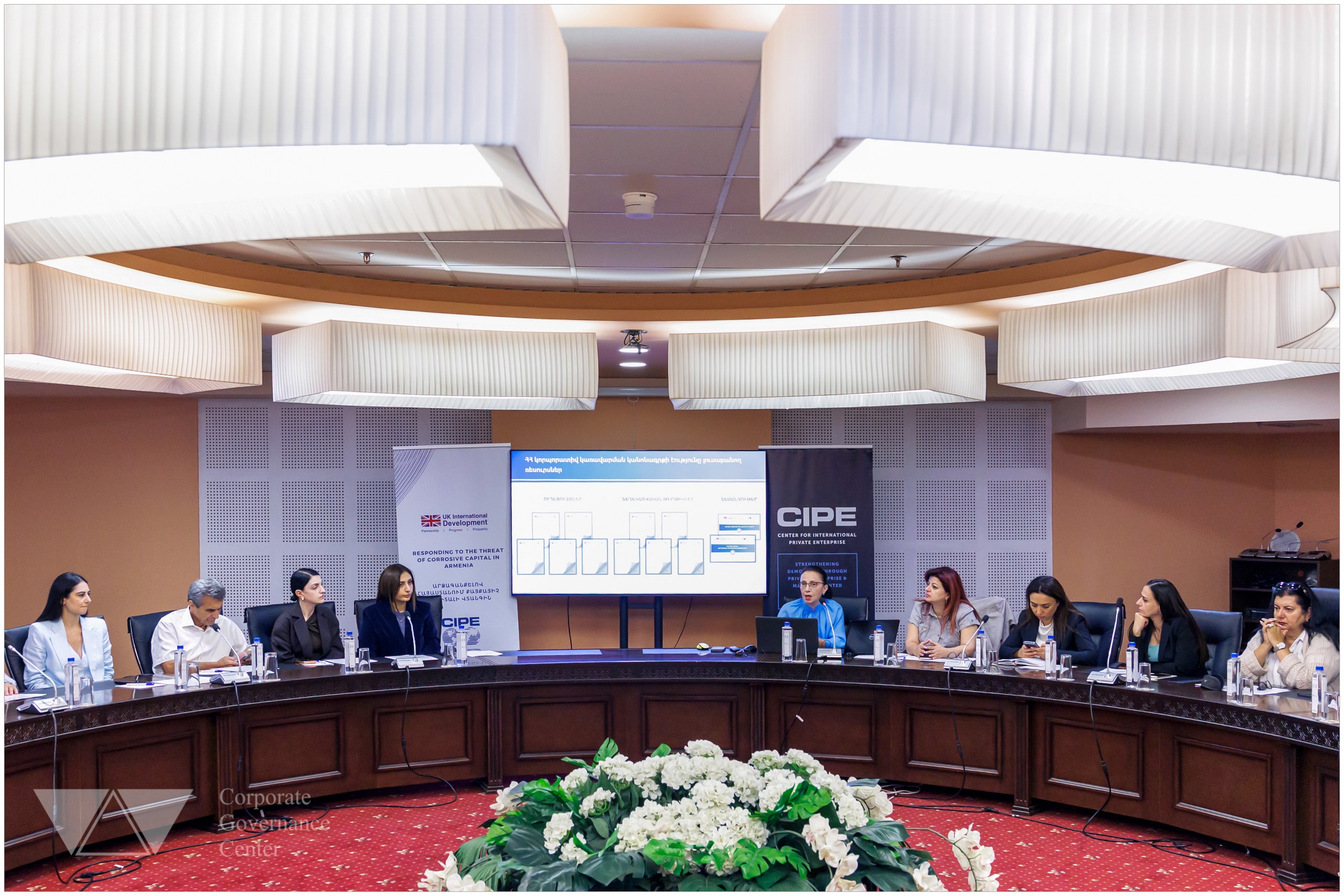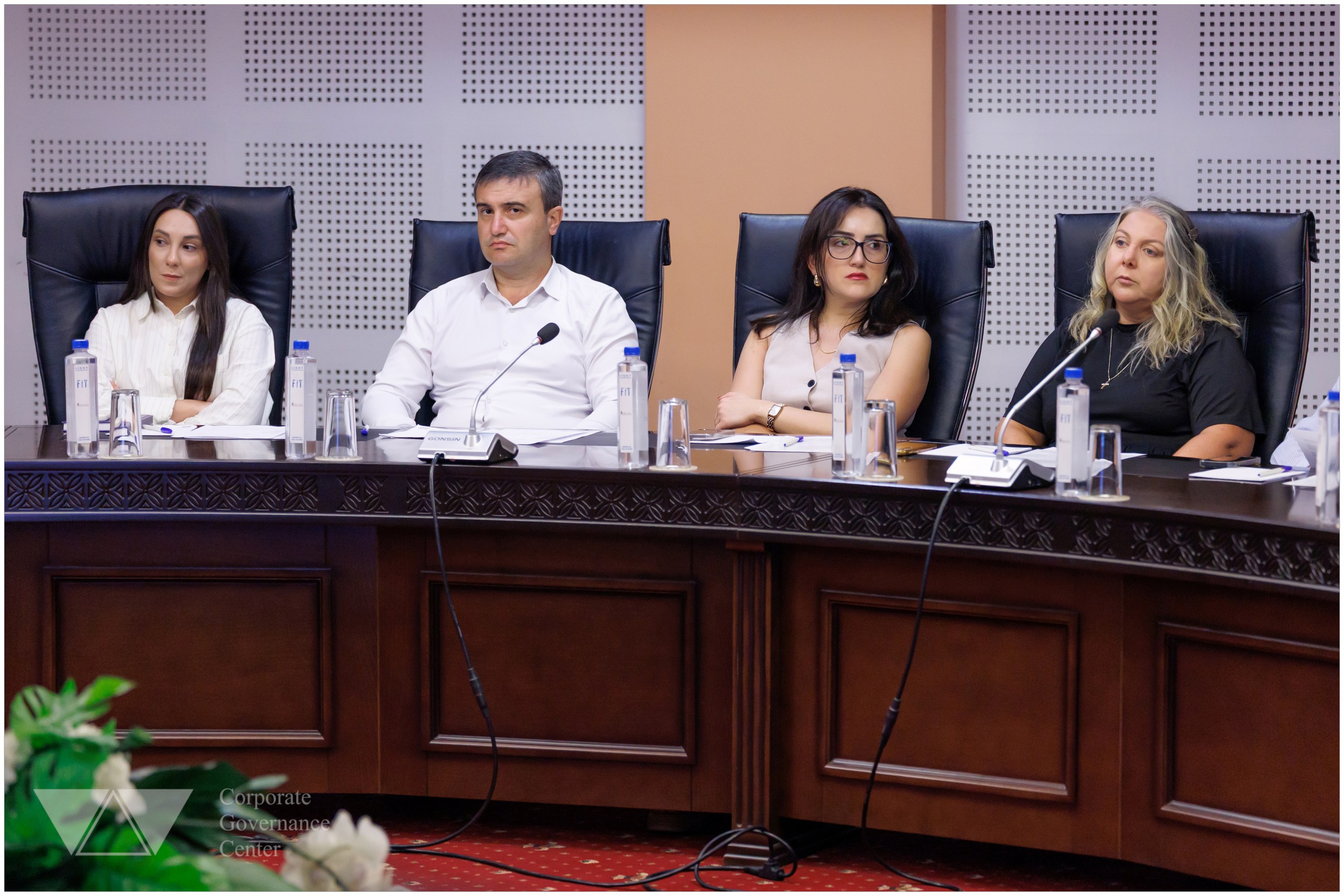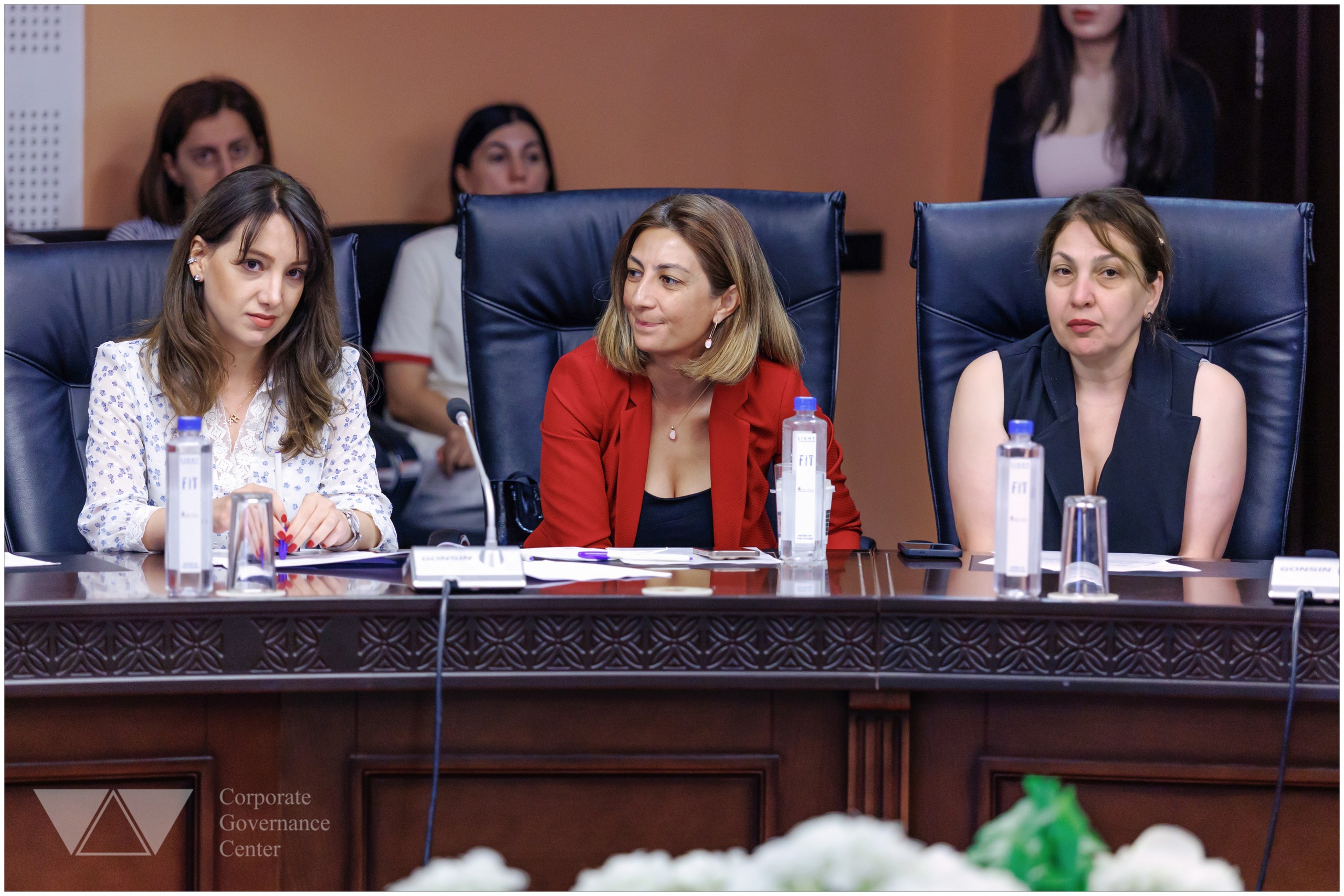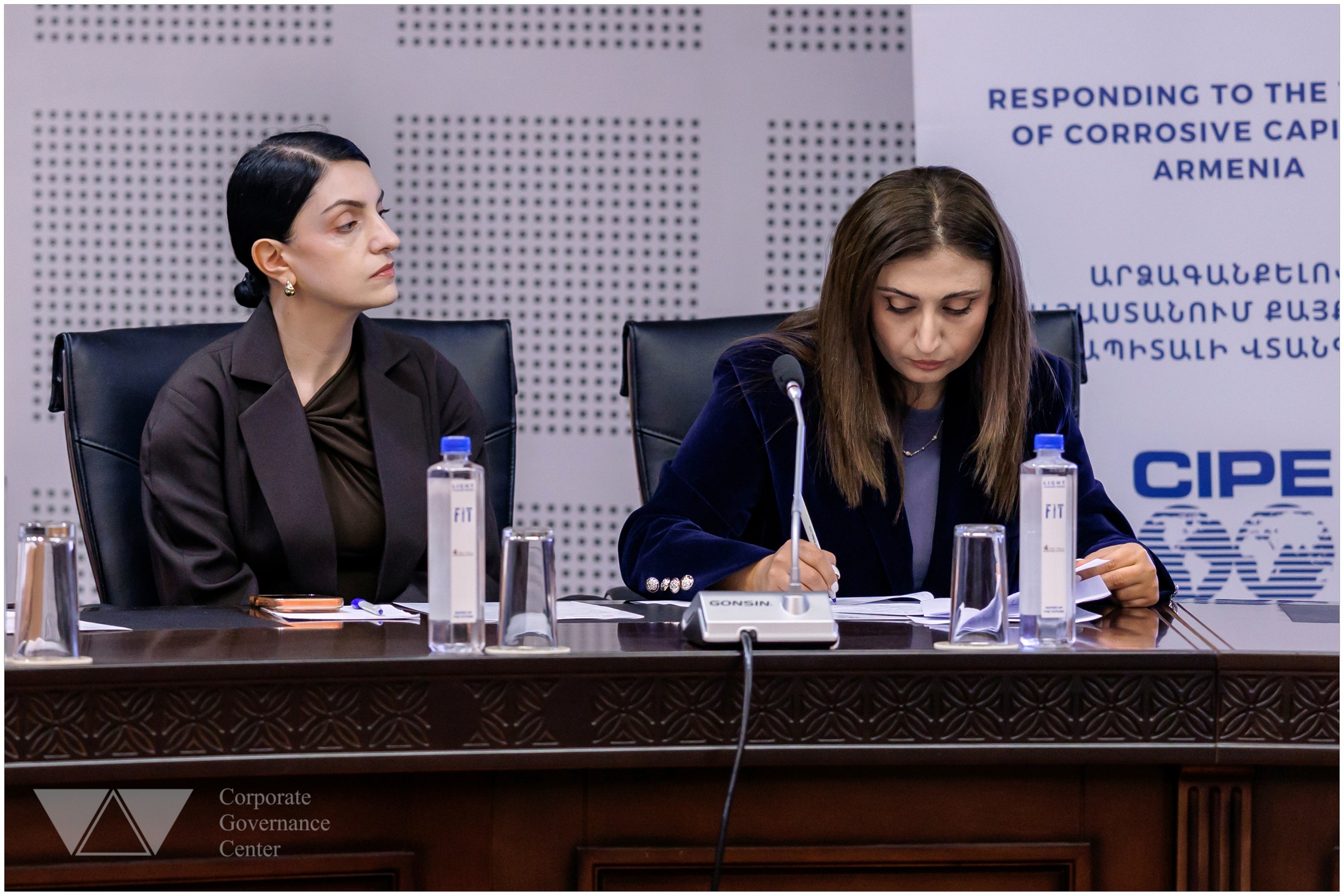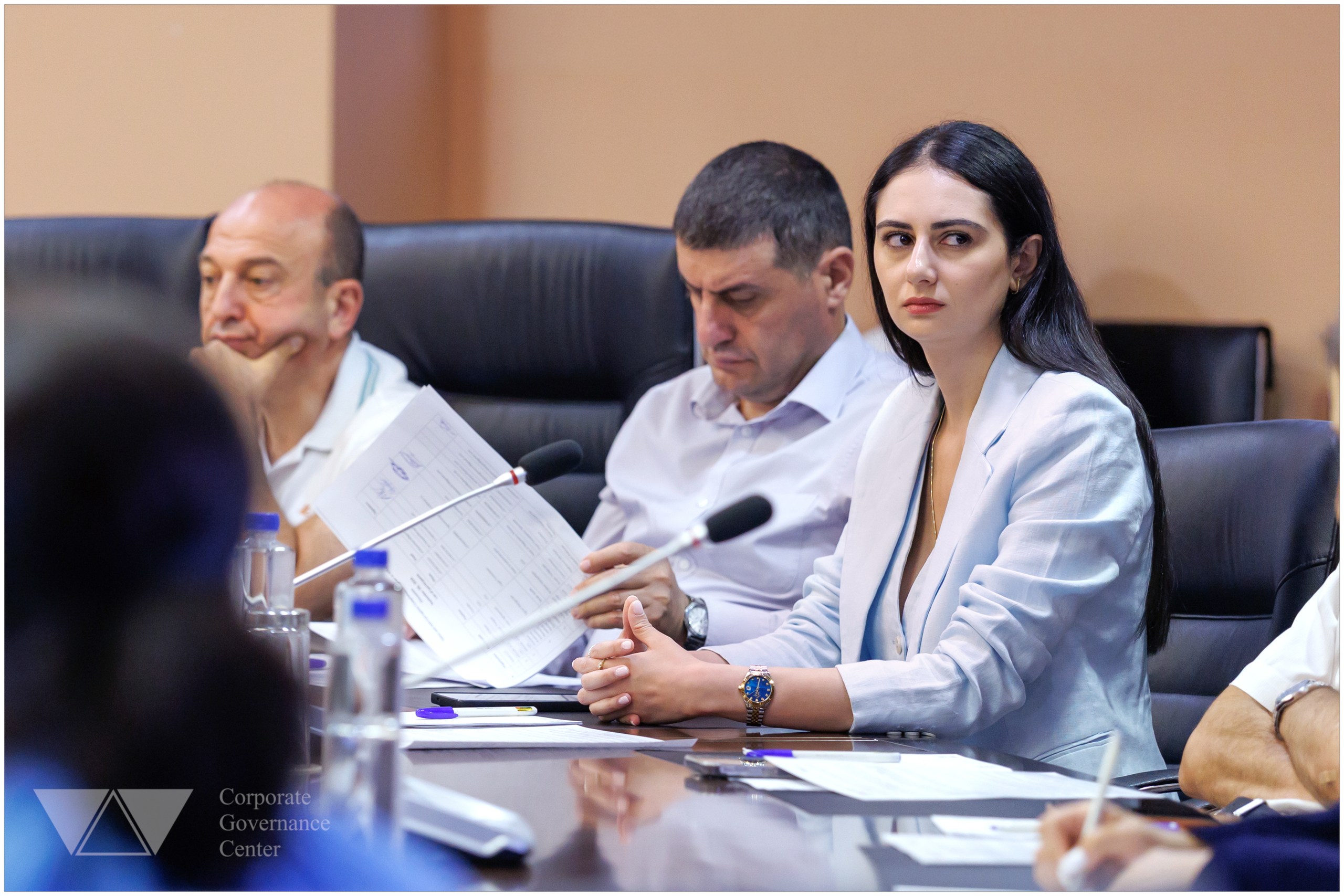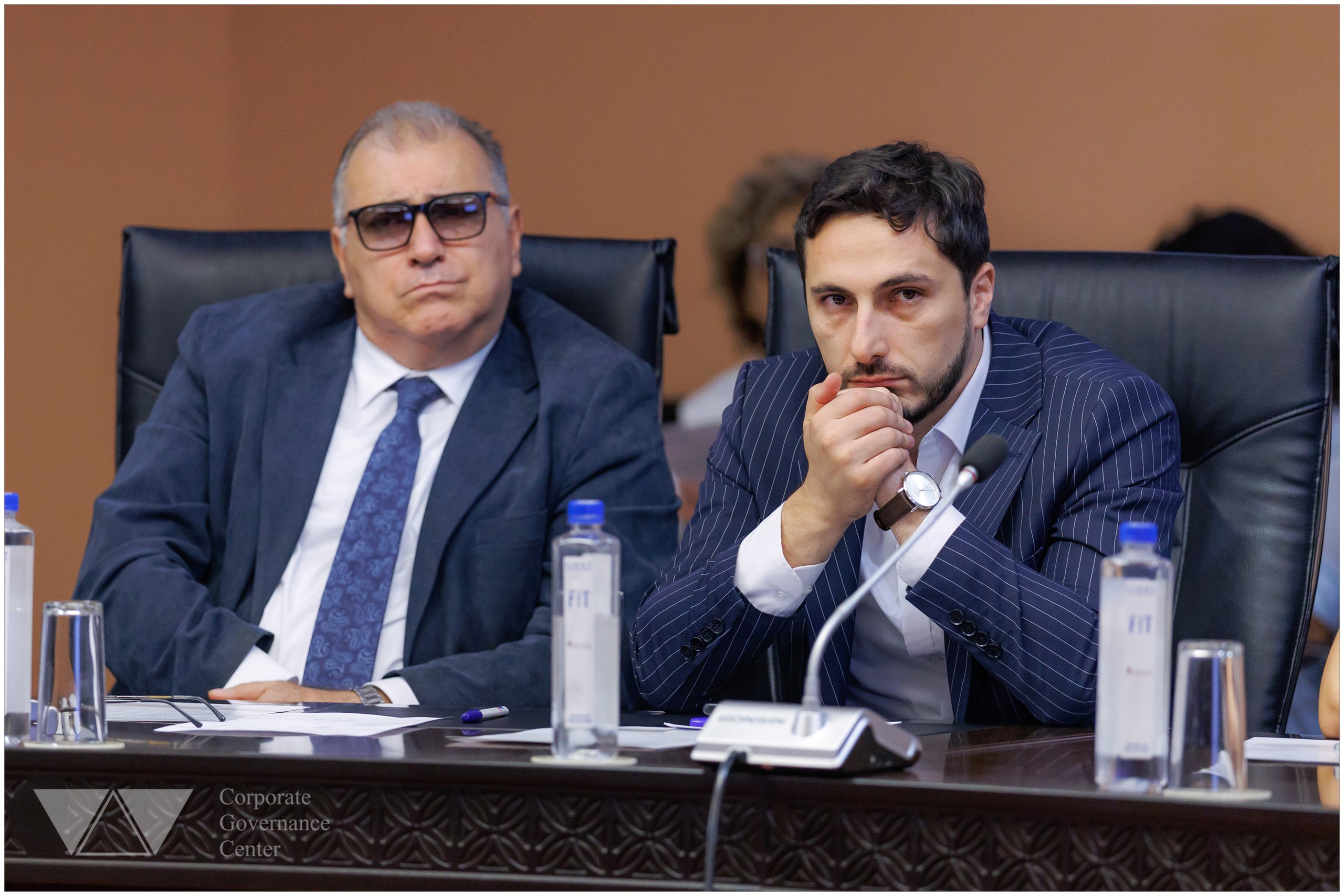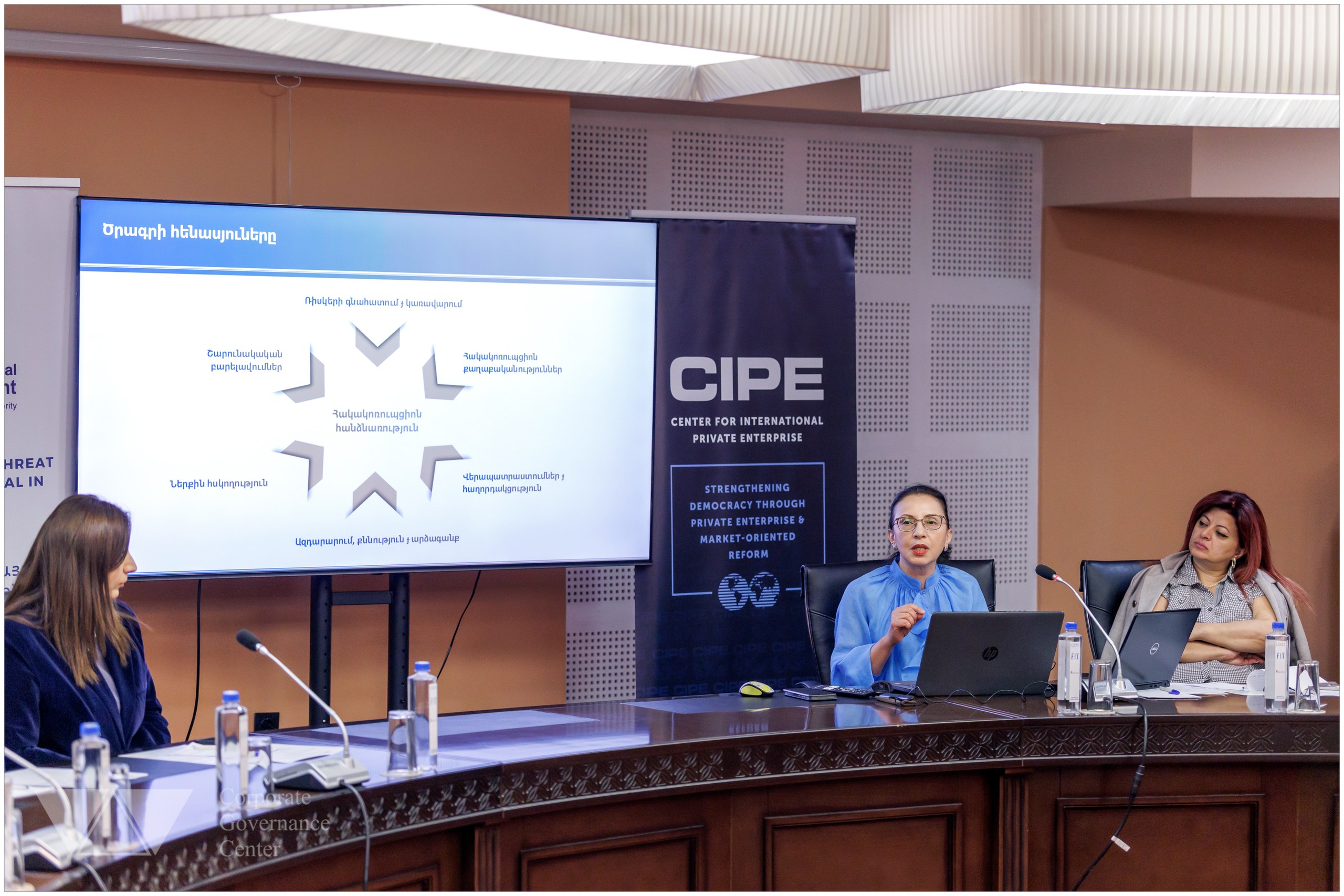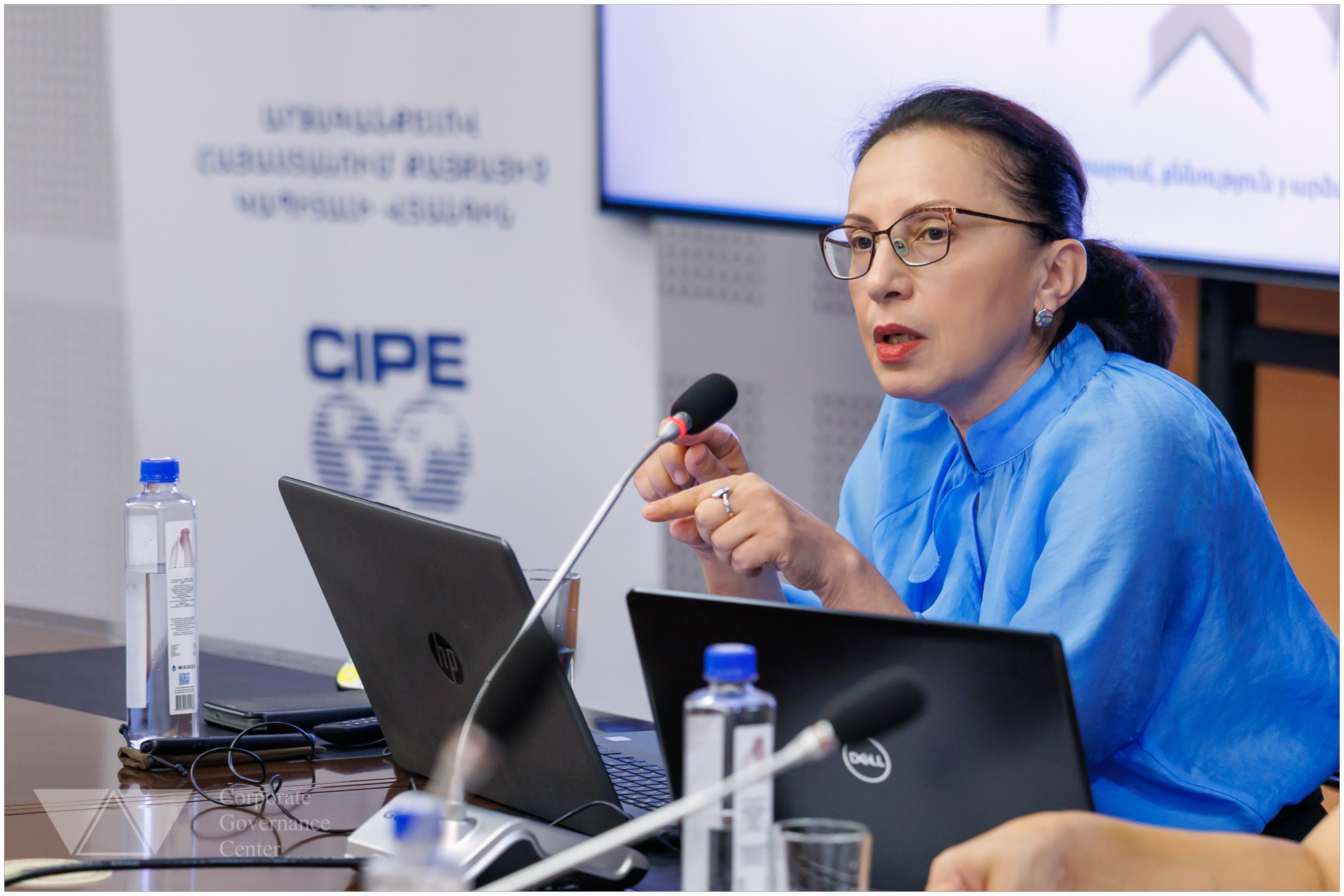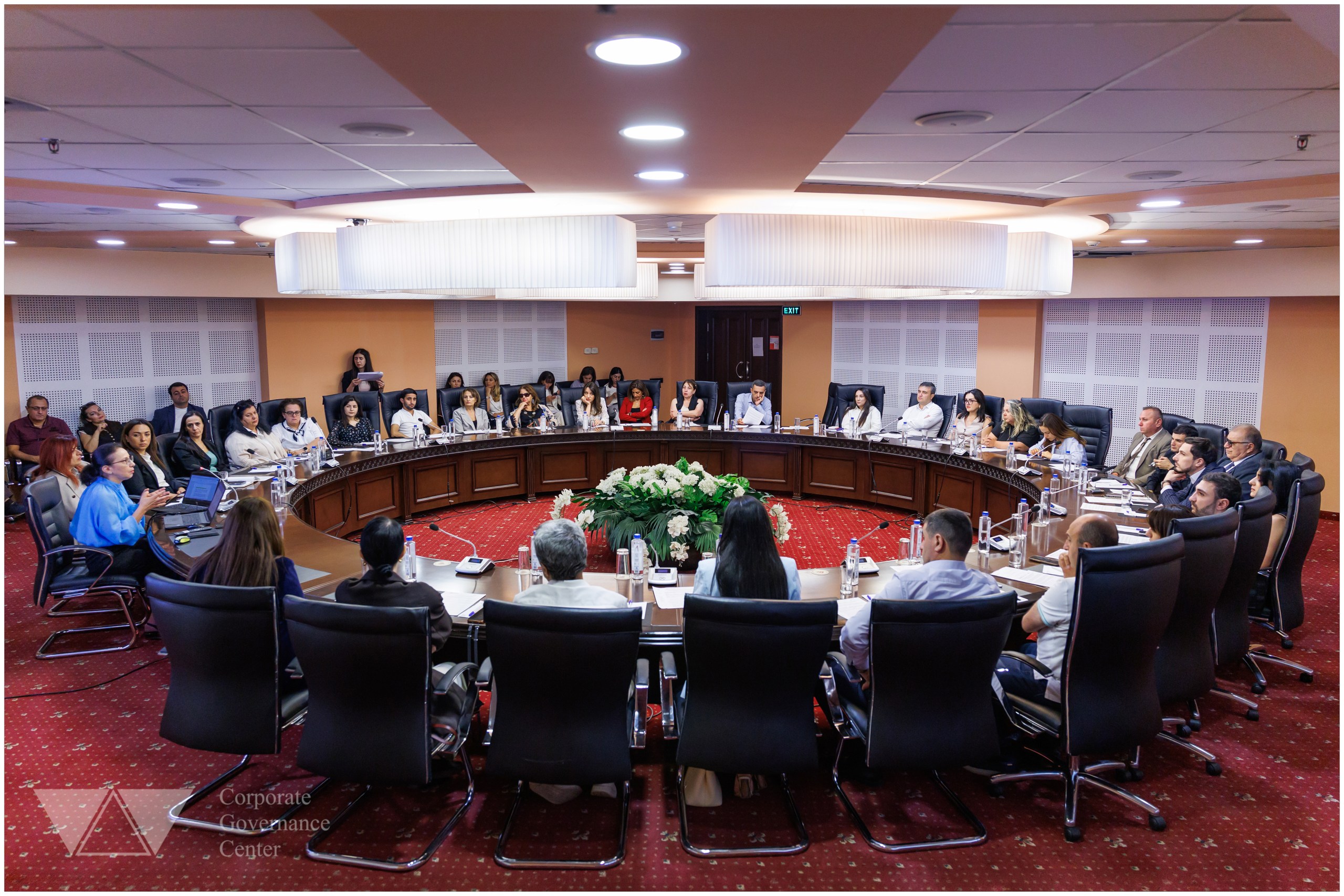

On 8 September, the Corporate Governance Center organised a discussion on the “Ethics and Anti-Corruption Compliance Program in SOEs” guide.
The discussion emphasised that an anti-corruption system cannot be limited to the existence of laws, policies and procedures. It should become an integral part of corporate governance and be embedded in strategic decision-making, risk management, internal controls and the organisation’s day-to-day operations.
Particular attention was paid to the importance of “tone at the top”. An effective anti-corruption culture begins when the commitment of the board and executive team is not only formally documented, but is also reflected in their decisions, conduct and personal example. This approach is particularly important for SOEs, as they operate in areas of public significance, manage public resources and are often involved in processes that require strong oversight and integrity at the highest levels of governance.
The practical value of the Guide is further supported by the tools it provides, including the Program Assessment Checklist, the Implementation and Improvement Roadmap, and the Annual Reporting Template.
The discussion also highlighted that an ethics and anti-corruption compliance program is not a one-time initiative. It should be subject to continuous improvement through the following logical cycle:
planning → application → monitoring → evaluation → improvement
The event concluded with a discussion of practical scenarios and questions.
CGC values this format of professional dialogue, which aims to contribute to the practical applicability and continuous improvement of the Guide through professional discussion and feedback.
The Guide was developed by the Corporate Governance Center, in collaboration with the Center for International Private Enterprise and as part of the ”Responding to Threats of Corrosive Capital in Armenia. Phase III” project, funded by the UK International Development from the UK government.
The views expressed in this Guide are those of the authors and may not necessarily reflect the official policy or position of the UK Government or the Center for International Private Enterprise.